
Study in USA

The world’s top-ranked universities, up to 3 years of post-study work through OPT, and unmatched research and career opportunities for Bangladeshi students.

USD 30-60K
Annual Tuition
USD 12-20K
Living Cost
Aug · Jan · May
Three Intakes
F-1 Visa
Student Visa
20 hrs / wk
On-Campus Work
Why USA

Why Bangladeshi Students Choose USA

Eight reasons the United States remains the world’s leading
study destination for Bangladeshi students.
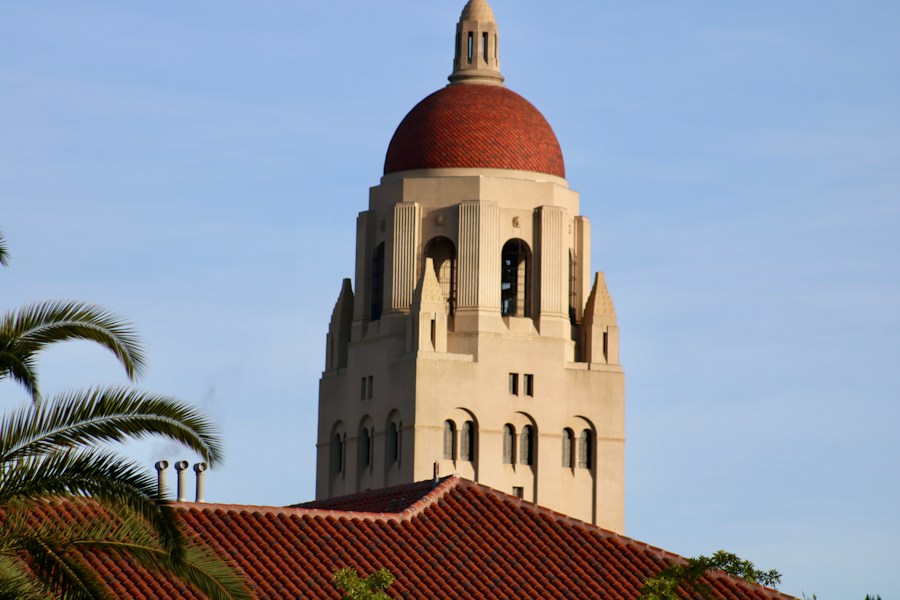
Hoover Tower on a US university campus

Top-Ranked Worldwide

More top-100 QS positions than any other country, led by MIT at #1, with degrees recognised by employers everywhere.
Graduates working in a US technology office

Up to 3 Years of OPT

Optional Practical Training gives 12 months of work authorisation after graduation — extended by a further 24 months for eligible STEM degrees.
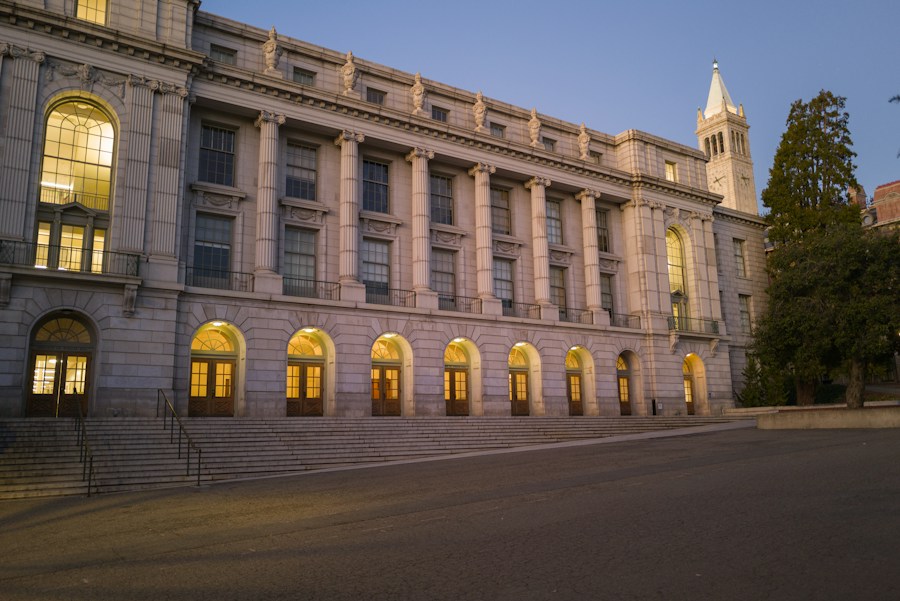
US university clock tower and academic buildings

Huge Choice of Programs

Over 4,000 accredited institutions and a flexible credit system that lets you change major, add a minor, or switch focus after enrolling.
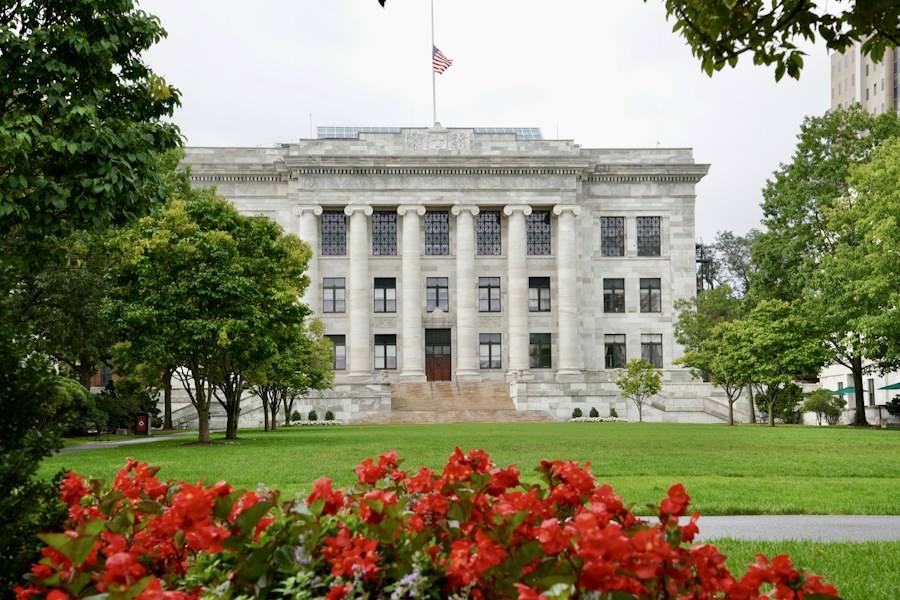
US campus building flying the American flag

Substantial Funding

More scholarships, assistantships and tuition waivers than any other destination — graduate funding is common.
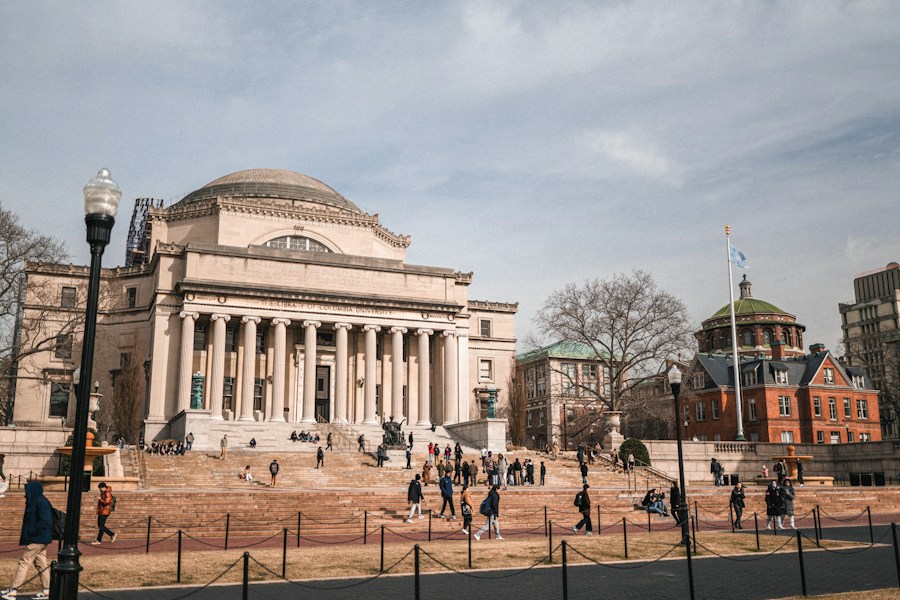
International students together on a US campus

Bangladeshi Community

Long-settled Bangladeshi communities in New York, Michigan, Texas and California, with student associations on most campuses.
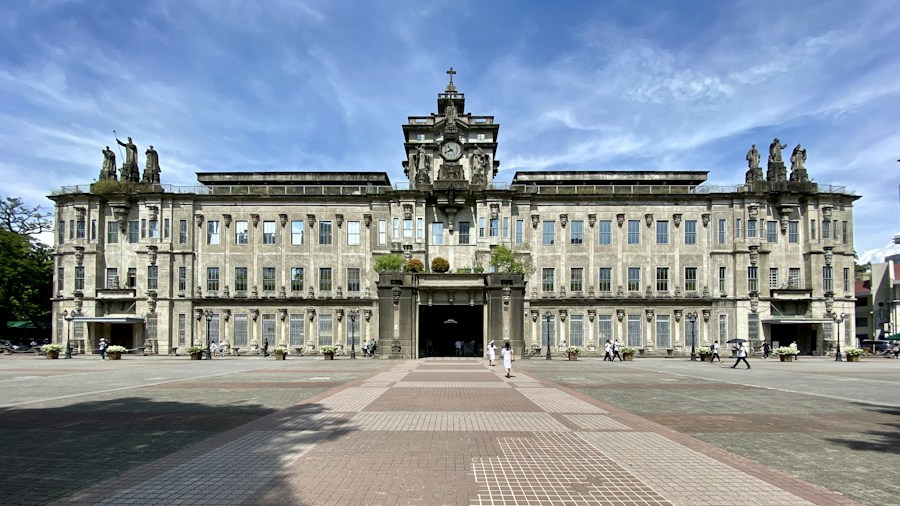
Modern US research building

Research Powerhouse

Well-funded labs and direct industry links — from Silicon Valley technology to Boston biotech and Texas energy.
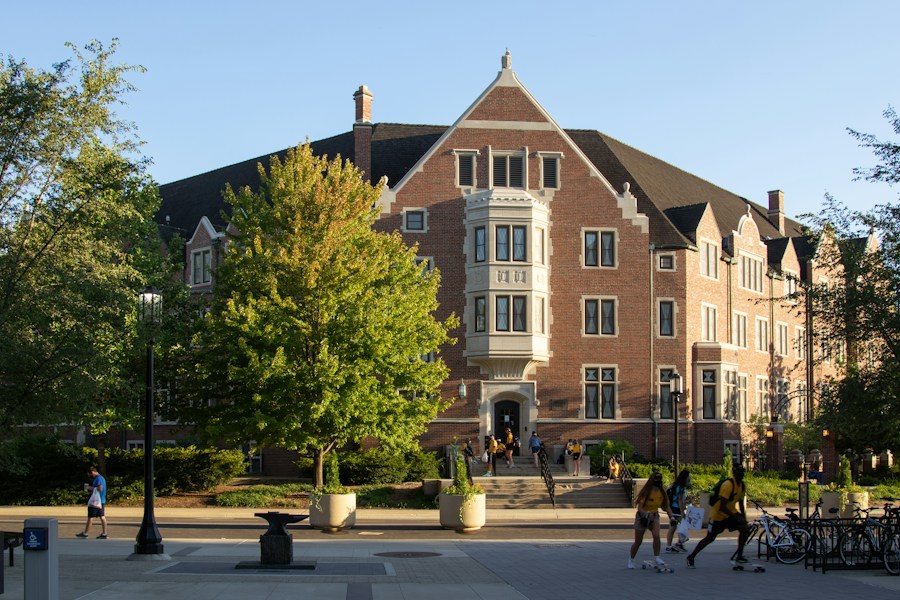
Students walking through a US university campus

Strong Career Outcomes

US graduates consistently rank among the world’s most employable, with campus career centres, structured internships and active alumni networks.
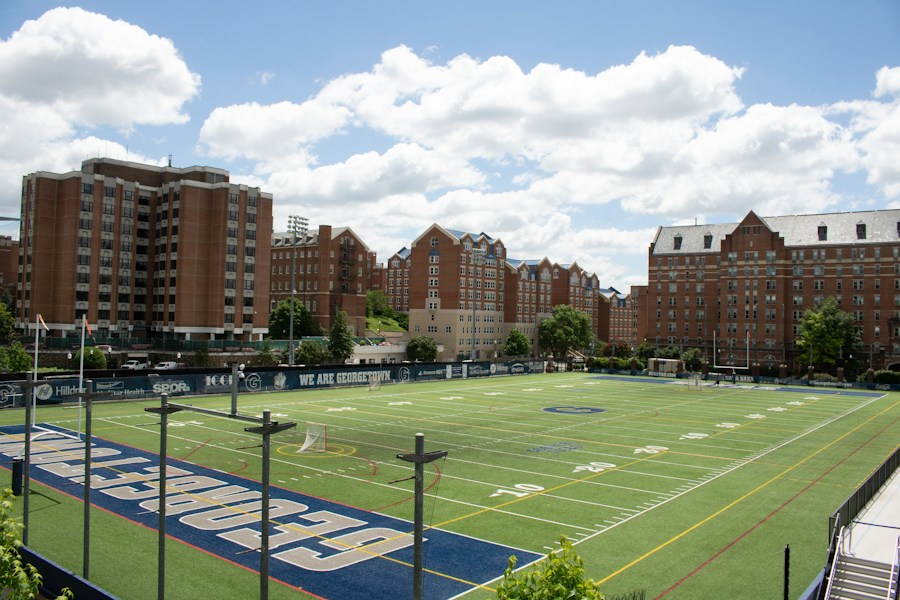
American college stadium and campus life

Unmatched Campus Life

Sport, societies, on-campus housing and student support built around a full residential experience — not just lectures and exams.

Top Universities

Top US Universities for Bangladeshi Students

A realistic spread — from the world’s most competitive campuses
to strong public universities with accessible admission and lower tuition.

QS 2027#1

Massachusetts Institute of Technology
📍 Cambridge, Massachusetts
QS World Ranking 2027: #1
World #1 for 15 straight years
Strong in Engineering, CS, Physics
Est. annual tuition: USD 62,000 – 66,000
✓ Engineering & CS Leader
QS 2027#5

Harvard University

📍 Cambridge, Massachusetts
QS World Ranking 2027: #5
Oldest university in the United States
Strong in Business, Law, Medicine
Est. annual tuition: USD 57,000 – 62,000
✓ Business & Law Powerhouse
QS 2027#20

University of California, Berkeley

📍 Berkeley, California
QS World Ranking 2027: #20
Top-ranked public university
Strong in CS, Engineering, Economics
Est. annual tuition: USD 49,000 – 55,000
✓ Public Ivy in Silicon Valley
QS 2027#51

University of Michigan

📍 Ann Arbor, Michigan
QS World Ranking 2027: #51
Large research-intensive public university
Strong in Engineering, Business, Health
Est. annual tuition: USD 56,000 – 63,000
✓ Big Ten Research Hub
QS 2027#100

Purdue University

📍 West Lafayette, Indiana
QS World Ranking 2027: #100
Long-frozen tuition for undergraduates
Strong in Engineering, Aviation, Ag Science
Est. annual tuition: USD 30,000 – 34,000
✓ Best Value for Engineering
QS 2027#169

Texas A&M University

📍 College Station, Texas
QS World Ranking 2027: #169
One of the largest campuses in the United States
Strong in Engineering, Petroleum, Ag Science
Est. annual tuition: USD 38,000 – 44,000
✓ Strong Industry Pipeline
QS 2027#172

Arizona State University

📍 Tempe, Arizona
QS World Ranking 2027: #172
Very large international student intake
Strong in Business, IT, Sustainability
Est. annual tuition: USD 33,000 – 38,000
✓ Most Accessible Admission
QS 2027#416

University at Buffalo, SUNY

📍 Buffalo, New York
QS World Ranking 2027: #416
SUNY flagship with low public tuition
Strong in Computer Science, Engineering, Pharmacy
Est. annual tuition: USD 29,000 – 34,000
✓ Most Affordable Tuition
Academic Calendar

The US Three Intakes Explained

US universities run three intake cycles.
Choose the one that matches your preparation timeline.

August
Main Intake

Fall Intake

Apply byOct – Jan
ProgramsAll available
ScholarshipsBest chance
Visa interviewApr – Jul
January

Spring Intake

Apply byJul – Sep
ProgramsMost available
ScholarshipsLimited
Visa interviewOct – Nov
May

Summer Intake

Apply byDec – Jan
ProgramsVery few
ScholarshipsRare
Visa interviewFeb – Mar
What You Need

Admission Requirements

Complete checklist for Bangladeshi students
applying to US universities.

Academic Requirements

  • Minimum GPA 3.0/4.0 for Bachelor's; 3.0–3.5+ for competitive Master's programs
  • Completed SSC, HSC, and Bachelor's transcripts (translated & attested)
  • SAT or ACT for some undergraduate programs — many are now test-optional
  • GRE for most graduate programs; GMAT for MBA (waivers increasingly common)
  • 2–3 Letters of Recommendation (LOR)
  • Statement of Purpose and, for undergraduates, personal essays

English Proficiency

  • TOEFL iBT: 79–80+ typical, 100+ for the most competitive universities
  • IELTS Academic: 6.5 overall typical, 7.0+ for top programs
  • Duolingo English Test: 110+ accepted at a growing number of universities
  • PTE Academic: 58+ overall, 65+ preferred
  • Requirements vary widely by university — always confirm the specific program

Financial Requirements

  • Proof of funds covering the full first year shown on your I-20 (tuition + living costs)
  • Bank statements showing stable, seasoned funds — sudden large deposits raise questions
  • Affidavit of Support and sponsor bank documents (if funded by parent or relative)
  • Sponsor income proof and tax returns (last 2–3 years)
  • Scholarship or assistantship award letters, where applicable
  • Education loan sanction letter, if part of your funding

Other Documents

  • Valid passport (min 6 months validity beyond your intended stay)
  • Form I-20 issued by an SEVP-certified university
  • I-901 SEVIS fee receipt and DS-160 confirmation page
  • Visa interview appointment confirmation (US Embassy Dhaka)
  • Digital photograph meeting US visa specifications
  • Resume/CV and research or work experience documents (graduate applications)
  • Evidence of ties to Bangladesh and intent to return after study
Cost Estimate

Total Cost of Studying in USA

Indicative annual cost breakdown for an
international undergraduate student (in USD).

Accommodation
USD 8,000 – 15,000
Food & Living
USD 3,500 – 6,000
Transport
USD 800 – 1,800
Health Insurance
USD 1,500 – 2,800
Books & Supplies
USD 800 – 1,400
Estimated Annual Total
USD 45,000 – 82,000
≈ BDT 55–100 lakh per year — varies widely by university, city and scholarship
F-1 Visa Process

Your Visa Journey — 5 Simple Steps

The US F-1 student visa process via SA Associates —
prepared step by step for Bangladeshi students.

01

Apply & Receive I-20

Apply to shortlisted SEVP-certified universities, accept an offer, and receive your Form I-20.

02

Pay SEVIS Fee

Pay the I-901 SEVIS fee (USD 350) at fmjfee.com and keep the receipt for your interview.

03

File DS-160 & Book Interview

Complete the DS-160 form, pay the USD 185 visa fee, and book your slot at the US Embassy in Dhaka.

04

Attend the Visa Interview

Face-to-face interview at the Embassy. We run full mock interviews and check your document file beforehand.

05

Visa Approval & Travel

Collect your visa, attend our pre-departure briefing, and fly to the United States.

Visa Types

US Visa Types We Handle

From the F-1 student visa to dependent and visitor visas — full support
for every stage of your American journey.

J-1 Exchange Visitor Visa

For students on sponsored exchange programs, research scholar placements and certain government or university-funded schemes.

SEVIS feeUSD 220
FormDS-2019
SponsorRequired
Note2-yr rule may apply

OPT & STEM OPT Extension

Optional Practical Training lets eligible graduates work in their field of study — with a longer window for STEM degrees.

Standard OPT12 months
STEM extension+24 months
ApplyBefore graduation
Leads toH-1B sponsorship

F-2 Dependent Visa

Spouse / Children

For the spouse and unmarried children under 21 of an F-1 student. Note that F-2 holders cannot work in the US.

EligibilitySpouse / child <21
Work rightsNot permitted
StudyPart-time only
ValidityMatches F-1

B-1/B-2 Visitor Visa

Tourism / Family

For family visits, tourism, business meetings, or attending a graduation ceremony in the United States.

Visa feeUSD 185
ValidityUp to 5 years
StayUp to 6 months
TypeMultiple entry

M-1 Vocational Visa

Technical / Vocational

For non-academic or vocational training — aviation, culinary, technical and trade programs at SEVP-certified institutions.

SEVIS feeUSD 350
Course typeVocational
WorkPractical training only
ExtensionLimited
Work Rights

What You Can Do During & After Studies

What F-1 students are permitted to do
during their studies and after graduating.

During Studies

20 hrs/week

On-campus work during term time, and full-time during official breaks. CPT allows off-campus work tied to your course, usually after the first academic year.

Longer-Term Route

H-1B Sponsorship

Many graduates move from OPT to an employer-sponsored H-1B work visa, which can later support a green card application. Unlike Canada, the US has no direct study-to-residency route — sponsorship and the annual H-1B lottery both apply.

FAQ

Common Questions About Studying in USA

Quick answers to common questions
from Bangladeshi students.

What documents are required for a US student visa from Bangladesh?
A valid passport, your Form I-20 from an SEVP-certified university, the I-901 SEVIS fee receipt, DS-160 confirmation, interview appointment letter, academic transcripts, TOEFL or IELTS scores, and financial documents proving you can cover the first year shown on the I-20. SA Associates prepares the full file.
What English test score do US universities require?
There is no visa-level English requirement — the score is set by each university. TOEFL iBT around 79–80 or IELTS 6.5 is typical, while the most competitive programs ask for TOEFL 100+ or IELTS 7.0+. Duolingo and PTE are accepted at a growing number of institutions. Always check the specific program page.
How much money do I need to show for a US student visa?
There is no single fixed figure. You must show funds covering the full first-year cost printed on your I-20 — tuition plus living expenses — which commonly falls between USD 45,000 and 82,000 depending on the university. Consular officers look for stable, well-documented funds rather than a large deposit made shortly before the interview.
Which intake is best for Bangladeshi students applying to USA?
Fall (August) is the main intake — the widest program choice, the most funding, and the largest assistantship pool. Start 12 months ahead. Spring (January) is a solid second option with fewer scholarships. Summer (May) is limited to a small number of programs.
Can my spouse work in USA while I study?
No. Your spouse can join you on an F-2 dependent visa, but F-2 holders are not permitted to work in the United States and may only study part-time. This is a significant difference from Canada, where the spouses of graduate students can often obtain an open work permit.
How long does the US student visa process take from Bangladesh?
The interview decision is usually given on the day, but the wait for an appointment slot at the US Embassy in Dhaka is the real variable and can stretch to several months in peak season. Book your slot as early as your I-20 allows. Administrative processing after the interview can add further weeks in some cases.
What is OPT and how long can I work after graduating?
Optional Practical Training gives eligible F-1 graduates 12 months of work authorisation in their field of study. Graduates of designated STEM programs may apply for a further 24-month extension, bringing the total to 36 months. You apply through your university's international office, normally before you graduate.
Can I get permanent residency in USA after studying?
It is possible but not automatic, and it takes longer than in Canada. The common route is OPT, then an employer-sponsored H-1B work visa, then an employer-sponsored green card. The H-1B is subject to an annual lottery, so outcomes depend on your employer, your field and timing. We are candid with students about this from the start.
Are there scholarships available for Bangladeshi students in USA?
Yes, and US funding is often more substantial than elsewhere. Undergraduates can receive merit scholarships and need-based aid; graduate students frequently secure teaching or research assistantships that cover tuition and pay a stipend. Fulbright is also open to Bangladeshi applicants. We help identify realistic targets and build the application.
Is studying in USA worth it compared to Canada?
It depends on your goal. The USA leads on university ranking, research funding and graduate assistantships, and starting salaries are typically higher. Canada is cheaper and offers a clearer route to permanent residency. If your priority is academic reputation and earnings, the USA is strong; if it is settling permanently, Canada is more predictable. We will give you an honest comparison for your profile.

Ready to Start Your American Journey?

Book a free consultation with our USA specialists.
We'll create your personalized roadmap — completely free.

Chat on WhatsApp